Table of Contents
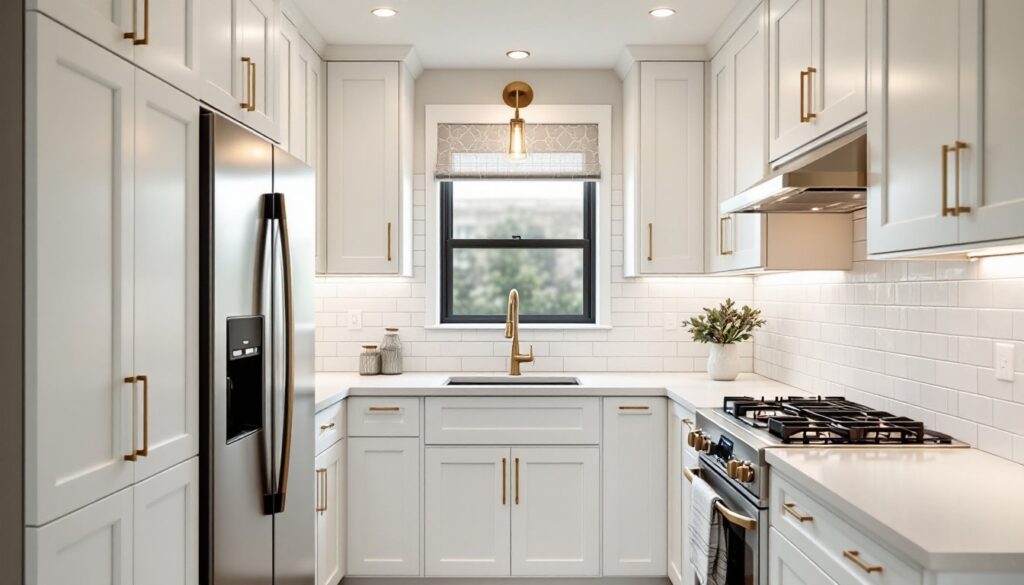
ToggleA small U-shaped kitchen can feel tight, but it’s actually one of the most efficient layouts a homeowner can work with. The three-wall configuration puts everything within arm’s reach, no wasted steps between sink, stove, and fridge. That said, maximizing a compact U-shaped kitchen takes smart planning. The good news: you don’t need a gut renovation to transform the space. With thoughtful layout tweaks, storage solutions, and design choices, even a modest U-shaped kitchen can feel bigger, brighter, and more functional. Whether you’re renting and limited to cosmetic changes or planning a full remodel, these ideas will help you get the most out of every square foot.
Key Takeaways
- Small U-shaped kitchen ideas focus on maximizing the inherently efficient three-wall layout through strategic appliance placement, counter depth reduction, and maintaining clear 36–42 inch walkways.
- Vertical storage solutions like floor-to-ceiling cabinets, drawer dividers, pull-out organizers, and corner carousels eliminate clutter and make compact spaces feel organized and larger.
- Light colors (white, soft gray, pale blue) combined with layered lighting, mirrors, and light-reflective materials instantly brighten a small U-shaped kitchen without expensive renovations.
- Budget-friendly upgrades including cabinet painting ($1,500–3,500), hardware replacement, backsplash updates, and open shelving deliver high visual impact for minimal investment.
- Modern design trends like minimalist handle-less cabinets, warm metallics, bold backsplashes, and compact smart appliances create functional, contemporary small kitchens that feel stylish and efficient.
- Strategic sink positioning near windows, open shelving for everyday items, and interior cabinet door storage turn a small U-shaped kitchen into an organized, multi-functional space.
Layout Optimization for Compact U-Shaped Kitchens
The U-shape already forces a natural work triangle between your three main zones. But in a small footprint, even minor tweaks can free up walking space and improve workflow.
Widen the Counter Depth where possible. Standard kitchen counters are 24 inches deep: dropping to 18–20 inches on one wall (usually the side opposite the main appliances) reclaims floor space without sacrificing much prep area. Confirm your sink and cooktop can accommodate shallower bases, many can with minor modifications.
Stagger Appliance Placement if your layout allows. Mounting a microwave above the counter or under a cabinet instead of on the counter saves valuable real estate. A drawer-style dishwasher or a compact 24-inch unit (versus a standard 30-inch) cuts into the footprint less than a full-size model.
Keep the Walkway Clear. Your main passage through the kitchen should be at least 36 inches wide: 42 inches is better. If your U-shape is cramped, avoid adding an island, it will choke the space. Instead, a thin rolling cart (12–15 inches deep) gives you extra counter and storage when needed and tucks away when it doesn’t.
Position the Sink Strategically. The sink often anchors one wall of the U: placing it near a window (if your layout allows) adds natural light and makes the space feel less boxed in. If a window isn’t an option, kitchen counter decorating ideas can brighten the sink area with open shelving or a small mirror above to reflect light.
Smart Storage Solutions to Minimize Clutter
Storage is the difference between a cramped kitchen and an organized one. Clutter makes small spaces feel smaller, so vertical storage and smart cabinet organization are non-negotiable.
Vertical Storage and Cabinet Organization
Go Up, Not Out. Small U-shaped kitchens benefit from floor-to-ceiling cabinetry. If your budget allows, extend your upper cabinets to the ceiling or use open shelving in select spots (over the sink or on a narrow wall) to store everyday items you use frequently. Open shelves work well for a curated set of glasses, bowls, or cookbooks, not for the daily miscellany.
Invest in Drawer Dividers and Pull-Out Organizers. Deep drawers are prone to becoming black holes. Adjustable dividers, pull-out baskets, and tiered racks let you see what you have and access it without wrestling through a pile. Spend a bit extra on quality drawer slides: cheap ones jam and make a small kitchen feel more frustrating.
Use the Inside of Cabinet Doors. Install adhesive spice racks, small shelves, or hooks on the inside of cabinet doors to store small tools, measuring spoons, or cleaning supplies. It’s free space most kitchens ignore.
Corner Cabinets Need Solutions. L-shaped corners are dead zones unless you use a carousel, pull-out corner unit, or blind-corner drawer. A blind-corner pull-out (essentially a horizontal carousel that extends into the corner) makes use of space that’s otherwise wasted.
Label Everything. In a compact kitchen, if you can’t find it, you’ll buy it again. Clear labels on containers and shelves keep you accountable and prevent duplicate purchases. Real-world storage inspiration comes from sites like Remodelista, which highlight smart organization in small spaces.
Color and Lighting Ideas for a Brighter Space
Color and light are the cheapest tools to make a small kitchen feel bigger and more inviting.
Stick with Light Wall Colors. White, soft gray, pale blue, and warm cream reflect light and make walls recede visually. If you want personality, use accent colors in removable elements: dish towels, a small rug, or a painted cabinet face. Avoid dark walls in tight kitchens, they shrink the perceived space. A fresh coat of primer and paint (usually one or two coats for kitchen use) costs under $100 and transforms the room.
Maximize Natural Light. If you have a window, keep it unobstructed. Use sheer curtains or roller blinds instead of heavy drapes. Add a small mirror opposite or adjacent to the window to bounce light around the room. Even a 12-inch square mirror on the backsplash helps.
Layer Your Lighting. Overhead lights alone create shadows and make spaces feel flat. Add task lighting under cabinets (LED strips are affordable and easy to install), over the sink, or above your prep area. Pendant lights above a narrow counter add warmth without taking up floor space. Aim for a mix of bright task light where you work and softer ambient light for the rest of the kitchen.
Choose Light-Reflective Materials. Glossy or semi-gloss finishes on cabinets bounce light better than matte. Stainless-steel appliances and polished hardware also contribute. A light-colored or white subway tile backsplash is brighter than dark stone. Resources like The Kitchn offer examples of how small kitchens use light strategically.
Budget-Friendly Upgrades and Quick Wins
You don’t need a $50,000 remodel to improve a small U-shaped kitchen. These upgrades deliver visible results without very costly.
Refresh Cabinet Hardware. Swapping out old knobs and pulls for modern ones costs $100–300 and instantly updates the look. Choose handles in brushed nickel, brass, or matte black depending on your style.
Paint or Refinish Cabinets. Cabinet painting (not full replacement) runs $1,500–3,500 for a small kitchen and looks far more expensive than it costs. A fresh white, gray, or two-tone finish can modernize a dated space. Prep is critical: sand, prime with a bonding primer, and apply at least two coats of cabinet-grade paint. This is DIY-able if you’re patient, or hire a pro for a flawless finish.
Update the Backsplash. Peel-and-stick tiles, vinyl decals, or a simple subway tile install can cost $200–800. A backsplash adds visual interest and protects walls from splashes. Subway tiles in white, black, or soft gray are timeless and work in any style.
Replace Fixture Hardware. New faucets, drawer pulls, and hinges are inexpensive and visible. A faucet with a pull-down spray saves space compared to a traditional two-handle model and is more functional in a compact layout.
Add Open Shelving Above the Sink. Remove one or two upper cabinet doors (if structurally safe) and leave the shelves open. Display a few attractive dishes or glasses. It creates the illusion of space and breaks up the visual weight of solid cabinets. Photo galleries of real kitchens on Houzz showcase how open shelving works in small U-shaped layouts.
Modern Design Trends for Small U-Shaped Kitchens
In 2026, small kitchen design leans toward functionality and clean aesthetics. Here’s what works.
Minimalist Cabinetry. Flat-front, handle-less cabinets (with push-to-open mechanism) create a streamlined look and save a few inches by eliminating protruding hardware. They also hide clutter better, no visible fingerprints or dust on handles.
Warm Metallics and Matte Finishes. Brushed brass, warm gold, and matte black are replacing shiny chrome. These finishes feel modern but also warm, which suits cozy small spaces. Mix metals thoughtfully, two complementary finishes (e.g., brushed brass hardware and matte black fixtures) feels intentional.
Bold Backsplash, Neutral Everything Else. A patterned tile or textured backsplash adds personality without overwhelming a small space. Keep walls, cabinets, and counters neutral so the eye lands on the statement backsplash.
Waterfall Counter Edges (If Budget Allows). A waterfall edge on a peninsula or small island (if you have space) looks modern and expensive. It’s simply countertop material that wraps down the side of the base cabinet. Quartz or laminate both work: expect to pay $150–400 extra for the detail.
Smart Appliances and Compact Footprints. Modern small kitchens favor dual-fuel or induction cooktops (more compact, energy-efficient), drawer dishwashers, and under-counter beverage coolers instead of full-size refrigerators. These fit the footprint better and signal contemporary style. Induction cooktops require compatible cookware but heat faster and are safer than gas in a tight space.
Conclusion
A small U-shaped kitchen is an asset, not a limitation. The three-wall layout is inherently efficient: it’s the tweaks that unlock its potential. Prioritize layout optimization first, widen walkways, stagger appliances, and remove visual clutter. Then layer in smart storage, bright colors, and light. The best upgrades are often the cheapest: paint, hardware, lighting, and organization. Modern design favors clean lines, warm finishes, and functional layouts, all of which suit small kitchens perfectly. Start with one or two projects, then build from there. Your small U-shaped kitchen can be just as functional and stylish as a sprawling gourmet space.