Table of Contents
ToggleA front porch sets the tone for your entire home. Whether you’re working with a postage-stamp-sized landing or a modest 8-by-10 space, small front porch deck ideas don’t have to mean cramped or bare. The trick isn’t square footage, it’s intentional planning. Strategic furniture, smart lighting, and layered greenery can turn a tight entry into an inviting threshold that makes guests feel welcomed before they ring the bell. This guide walks through budget-friendly strategies that work in real spaces, using materials you can find locally and projects you can tackle this spring without very costly or your schedule.
Key Takeaways
- Small front porch deck ideas thrive on intentional layout and smart furniture choices—keep the center clear and anchor seating in one corner to make tight spaces feel more generous.
- Multi-functional furniture like storage benches, ottomans, and wall-mounted drop-leaf tables maximize usability in compact areas without overwhelming the space.
- Lighting transforms a porch into an inviting outdoor room; string lights and LED fixtures rated for wet locations cost $15–$60 and create welcoming curb appeal.
- Strategic vertical gardening with hanging baskets, wall-mounted planters, and trailing plants softens a small porch while preserving floor space for traffic and seating.
- Pressure-treated lumber decking ($2–$4 per linear foot) offers an affordable DIY solution, while composite materials ($6–$10 per square foot) eliminate ongoing maintenance for small porch projects.
Maximize Space With Clever Layout Strategies
The foundation of any small porch deck success is layout. Before you buy a single piece of furniture or nail down boards, sketch your space to scale, even on graph paper. Measure the actual dimensions, note the door swing, stair placement, and how much foot traffic flows through.
The golden rule: keep the center clear. A porch that feels cramped usually has furniture shoved against every wall. Instead, anchor seating toward one end or corner, leaving a walkway down the middle. An L-shaped arrangement (a chair and small table tucked into one corner) feels more generous than items spread thin around the perimeter.
Consider raised platforms or tiered decking if your porch is just a slab. A 2-by-6 pressure-treated frame with a few joists creates visual interest and defines the seating zone without eating much space. If you’re building deck boards, run them lengthwise to visually elongate the porch, it’s a simple optical trick that works. Most building codes require minimum 36-inch clearance from the door to obstructions, and 1/8-inch gaps between deck boards for drainage and seasonal movement.
Furniture and Seating Solutions for Compact Areas
Small spaces demand furniture that pulls double duty. A single oversized sofa swallows a 4-by-6 porch: instead, choose one accent chair and a side table that you can actually move around.
Wicker or metal-frame chairs occupy less visual space than solid wood pieces and feel lighter in tight quarters. A low-slung sling chair or Adirondack is surprisingly compact and far easier to move than a heavy rocker. If you want seating for guests, a storage bench along one wall holds cushions and blankets while doubling as a seat for a second person.
Multi-Functional Pieces That Serve Multiple Purposes
A small side table with an under-shelf can hold drinks on top and store porch essentials, boots, plant food, or cushions, below. Look for nesting tables that tuck away when not needed. A storage ottoman works as a footrest, side table, or hidden catch-all for gardening tools and seasonal décor. These pieces are usually affordable in wood or upholstered options ($75–$250 depending on quality).
Consider a wall-mounted drop-leaf table that folds flat when not in use. Herein lies an honest fact: small porch furniture doesn’t last like a full set on a sprawling deck, so buy at a mid-tier price point and expect to refresh it every few seasons. Wayfair, West Elm, and local hardware stores carry compact-focused lines that understand real-world constraints.
Lighting and Ambiance for Welcoming Curb Appeal
Lighting transforms a porch from functional entry into a genuine outdoor room. During daylight, it’s invisible: at dusk, it’s everything.
String lights are the entry-level win: warm, affordable, and renter-friendly if you use command hooks. Drape them overhead or along a rail. Ensure they’re rated for wet locations (UL or ETL certified) and use LED bulbs to avoid heat buildup and excessive electrical draw. A 20-bulb string costs $15–$40 and changes everything.
For permanent fixtures, a motion-sensor porch light ($25–$60) saves energy and adds security. Mount it on the house above the door, 6–8 feet high. If you’re installing a new fixture, shut off power at the circuit breaker and use a voltage tester to confirm the line is dead before touching any wires. This is non-negotiable.
A low-voltage deck light or two tucked into planters or under rails adds subtle definition without harsh spotlighting. These run off a small transformer and cost $8–$20 per unit. Stick with warm white (2700K color temperature) for inviting ambiance, cool white reads as harsh and institutional.
Greenery and Planters to Add Life to Your Porch
Plants are the easiest way to soften a small porch and make it feel lived-in. A few strategically placed pots beat an empty landing every time. Hanging baskets from the soffit free up floor space, and tall planters frame the door without eating seating real estate.
Choose low-maintenance perennials and shrubs suited to your climate and light conditions. Hostas work in shade, ornamental grasses add movement in sun, and evergreen boxwoods provide year-round structure. Avoid aggressive vines unless you want to spend all summer pruning, they’ll overtake a small porch faster than you’d expect.
Clay, resin, or fiber-cement pots outlast plastic in direct sun. A 12-inch pot weighs 3–5 lbs empty and 15–20 lbs filled with moist soil, heavy enough to anchor without tipping, light enough to rearrange. Drill drainage holes if the pot doesn’t have them: waterlogged roots kill plants fast and rot wood decking.
Vertical Gardening and Space-Saving Plant Ideas
Use the vertical plane aggressively. A wall-mounted planter or tiered shelf system lets you stack plants without sprawling them across the floor. The Handyman’s Daughter has excellent DIY planter-box tutorials if you want to build your own from reclaimed wood or 1-by-8 cedar ($3–$6 per board).
Hanging planters from a rod mounted above the door, or clipped to railings, work brilliantly. Trailing varieties like sweet potato vine or pothos soften edges without taking up seating space. A small trellis (wood or wire, $15–$40) mounted flat against the house gives climbing plants something to cling to without encroaching on your footprint.
Flooring Options That Define Your Deck Space
Your porch floor sets the mood and bears all the traffic. If you’re starting from scratch or refreshing an old concrete pad, you have realistic options at small-project budgets.
Pressure-treated lumber decking is the DIY standard. 2-by-6 boards ($2–$4 per linear foot) are the sweet spot, wide enough to feel solid, narrow enough to lay quickly. Space them 1/8 inch apart for drainage and thermal expansion. Fasten with 2.5-inch exterior-grade composite fasteners or stainless steel deck screws to avoid rust staining.
Composite decking (wood-plastic blend) costs more upfront ($6–$10 per square foot installed vs. $3–$5 for pressure-treated) but requires no staining or sealing. Trex and Timbertech are premium brands: store brands work fine for a small, budget-conscious porch. DIY woodworking plans at Ana White’s site include step-by-step layouts and cut lists.
If you’re building on a concrete slab, lay sleepers (pressure-treated 2-by-4s, flat on the slab, 16 inches apart) and screw the deck boards to those. This creates airflow, prevents rot, and avoids drilling into concrete.
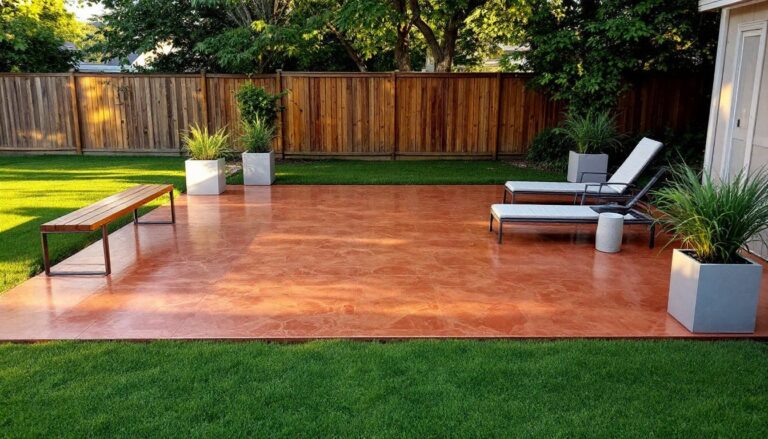
Stamped concrete or paving stones are less common for front porches but work if the slab is sound and you want a polished look. Seal and clean regularly to prevent slipping and staining. A typical small porch surface (100–150 square feet) costs $400–$800 in materials for wood decking, $1,200–$1,800 for composite, depending on regional pricing and current lumber costs. Design inspiration and practical solutions from established sources can guide your material choices and budget planning before you commit.