Table of Contents
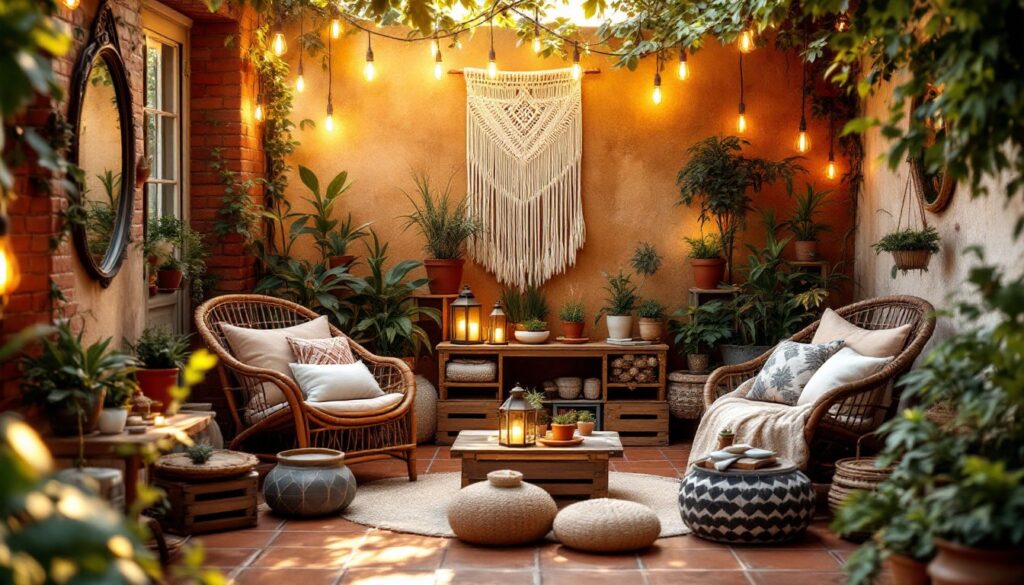
ToggleSmall patios don’t mean small style. Whether you’re working with a compact balcony, a narrow side yard, or a modest courtyard, boho patio design thrives in tight spaces, and often looks better because of the constraints. The bohemian aesthetic celebrates natural materials, layered textures, and an eclectic mix of vintage and handmade pieces, all of which translate beautifully to small footprints. Rather than cramming in oversized furniture or fighting against limited square footage, a smart boho approach plays to your advantage: intimate seating areas, maximized vertical growth, and strategic lighting create an inviting retreat that feels intentional, not squeezed. Here are seven practical ideas to transform your small patio into a boho oasis.
Key Takeaways
- Small boho patio ideas thrive on natural materials like terracotta, reclaimed wood, and woven textiles that age beautifully and celebrate authenticity over perfection.
- Maximize limited square footage by embracing vertical design with wall-mounted planters, hanging baskets, and tiered plant stands to add greenery without consuming floor space.
- Layer warm-toned string lights, lanterns, and battery-powered candles to create intentional ambiance that transforms your small patio into a cozy retreat at dusk.
- Mix vintage, thrifted, and handmade furniture pieces in varied wood tones and fabric colors—boho thrives on intentional mismatch rather than matching sets.
- Prioritize one anchor element like a seating area or plant wall and build around it, leaving breathing room to make your compact patio feel spacious rather than cramped.
Embrace Natural Materials and Textures
The bones of any boho space rest on natural, unrefined materials. Start with the floor: terracotta tiles, poured concrete, or gravel aren’t glamorous, but they’re honest and weathered, exactly what boho embraces. If you’re laying a new patio surface, terracotta has that warm, earthy feel and ages beautifully: concrete can be sealed and softened with natural rugs: gravel offers the lowest cost and easiest DIY install, though it requires periodic raking to stay neat.
For walls and vertical surfaces, exposed brick, stacked stone, or board-and-batten wood add texture without taking up floor space. If your patio is backed by drywall, applying a lime wash or clay finish in warm neutrals, ochre, sand, soft rust, costs less than new cladding and reads completely boho. These finishes are breathable, age gracefully, and don’t require expensive masonry work.
Wood is non-negotiable. Reclaimed timber, woven wicker, rattan, and rough-hewn beams introduce warmth and authenticity. A salvaged wooden pallet can become a plant stand or low bench with minimal effort. Woven jute sisal rugs (natural plant fiber, not synthetic) anchor seating areas and define zones in tight quarters without visual clutter.
Create a Cozy Seating Area with Budget-Friendly Furniture
In a small patio, every seat has to earn its place. Boho thrift stores and secondhand markets are goldmines: look for vintage rattan chairs, worn leather poufs, or mismatched wooden stools. Bohemian design celebrates the patina of age, so don’t hunt for matching sets, mix styles, wood tones, and fabric colors freely.
For a low-cost DIY angle, source wooden frames from thrift shops and reupholster cushions yourself. A staple gun ($15–$30), some heavyweight fabric (canvas, linen, or kilim patterns), and an afternoon can transform dated furniture into gallery-worthy pieces. Alternatively, floor cushions and low seating reduce the footprint significantly, a cluster of oversized poufs occupies less visual space than bulky chairs and costs half as much.
When space is tight, a compact two-person daybed or loveseat with a wood or metal frame works better than a sofa. Pair it with a small side table (a tree stump, woven basket on wheels, or salvaged wood slab over stacked crates) for drinks and decor. Focus on comfort, not quantity: one really good seating zone beats three cramped spots.
Layer Lighting for Ambiance and Functionality
Lighting transforms a patio at dusk and justifies lingering outside after sunset. Boho doesn’t mean dim, it means warm and intentional. Bistro string lights (Edison bulbs or warm white) are the workhorse: they’re affordable, easy to install (no wiring required if battery-powered), and instantly set a mood. String them in a zig-zag or swooping pattern overhead, or wrap them around a pergola or fence.
Layer in lanterns (Moroccan metal, fabric, or perforated steel) with battery tea lights or candles. They’re lightweight, portable, and don’t require hardwiring. Place them on shelves, hang them from hooks, or cluster them on side tables. A solar stake light or two adds subtle ground-level glow without cords.
For functional task lighting without construction, clip-on lamps mounted to railings or a hanging rope light strung along the perimeter work well. Avoid bright white LEDs, choose 2700K color temperature (warm white) to maintain the cozy boho vibe. If you’re comfortable with basic wiring, a single outdoor outlet and plug-in string light is safer and more flexible than solar-only setups, especially in climates with short winter days.
Incorporate Plants and Greenery
Plants are the lifeblood of boho design. In a compact patio, go vertical: wall-mounted planters, hanging baskets, and tiered plant stands maximize greenery without eating floor space. Trailing pothos, string of pearls, and cascading ferns are forgiving, grow fast, and photograph beautifully against textured walls.
Choose a mix of plant sizes and textures. Tall grasses like pampas or ornamental varieties add movement and height: succulents and cacti require minimal water (ideal for busy homeowners): flowering climbers like jasmine or clematis can be trained up a trellis or string for living privacy and fragrance. Group pots in odd numbers (three, five, or seven) and vary heights using plant stands, books, or stacked cinder blocks painted neutral tones.
For a small patio in a rental or where permanent planting isn’t an option, large terracotta or clay pots work brilliantly, they age beautifully and are completely removable. Water retention and drainage matter: use high-drainage potting soil, add terracotta pot feet to prevent rot on wet patios, and water deeply but infrequently to build stronger root systems. Group sun-loving plants on the brightest side and shade-tolerant varieties near walls or under shade cloth.
Add Decorative Accessories and Textiles
Accessories are where personality happens. Textiles anchor the boho aesthetic: outdoor rugs in kilim or Moroccan patterns define seating zones and add color without permanent installation. Choose natural fibers like jute or wool if your patio stays dry: synthetic outdoor-grade rugs hold up better if they’re exposed to rain or foot traffic. Layer textures with throw pillows in linen, cotton, or faded velvet in earth tones, jewel tones, or prints that mix (boho thrives on intentional mismatch).
Wall art and sculptures personalize tight spaces. A macramé wall hanging, a collection of small mirrors in mismatched frames, or a woven textile hung as a tapestry reflects light and makes the patio feel deliberate, not overlooked. Keep walls uncluttered, one or two statement pieces beat a scattered gallery. A small water feature (a tabletop fountain, bird bath, or DIY ceramic piece) adds sound and movement, making the space feel alive.
Other touches: a low wooden table topped with lanterns, a candle, or a small stack of outdoor books: a bell or wind chime for gentle sound: vintage glassware or ceramic vessels repurposed as planters. Boho respects both high and low, thrifted and handmade sit happily next to vintage finds. The key is cohesion through color and material, not matching sets.
Maximize Vertical Space and Small Footprints
When square footage is scarce, think upward. Wall-mounted shelves hold plants, art, and lighting without touching the floor. A simple wooden pallet mounted horizontally becomes a planter wall or beverage shelf. Hooks and rails hung on exterior walls let you hang planters, lanterns, rugs, or textiles, a second layer of decor that doesn’t crowd the ground.
A living wall or moss pole climbs vertical surfaces and creates privacy. Alternatively, a lightweight bamboo or wooden trellis leaned against a fence supports climbing vines and creates a natural screen. A pergola or shade cloth stretched overhead reduces direct sun and defines the patio zone without footprint.
For seating, wall-mounted benches or a fold-down table maximize functionality in micro-spaces. A corner banquette built from salvaged wood and cushions uses dead space efficiently. Practice negative space, don’t fill every corner. A small patio feels spacious when there’s room to move: cramming in more stuff shrinks it visually and physically. Recent studies on small space design emphasize that breathing room is as important as decor.
Conclusion
Small boho patios succeed because they prioritize intention over volume. Start with one anchor, a seating area, a plant wall, or warm lighting, and build around it. The bohemian aesthetic celebrates imperfection, age, and authenticity, so there’s no such thing as a finished boho space. A vintage rattan chair, a trailing plant, or a hand-painted tile can transform your tiny patio into a personal retreat that feels both timeless and entirely yours.